 English
 French
Are you trying to create your own perfume brand? Are you finding it difficult to differentiate your perfume brand in a competitive market?
To overcome these hurdles, developing a deep understanding of your target market and articulating your brand’s story through every product element, from scent to packaging is crucial. Let’s delve into a seven-step guide on effectively branding perfume.
Step 1: Conceptualization and Brand Identity
Crafting Your Unique Selling Proposition (USP)
Have you ever wondered what makes a fragrance truly captivating? It starts with defining your perfume’s unique selling proposition. This could be anything from an uncommon perfume note, the exotic origin of your ingredients, or even a uniquely designed bottle that catches the eye and intrigues the senses. In a world brimming with fragrances, your USP is the secret that sets you apart from the crowd.
Establishing the Aesthetics and Values of Your Branding Perfume
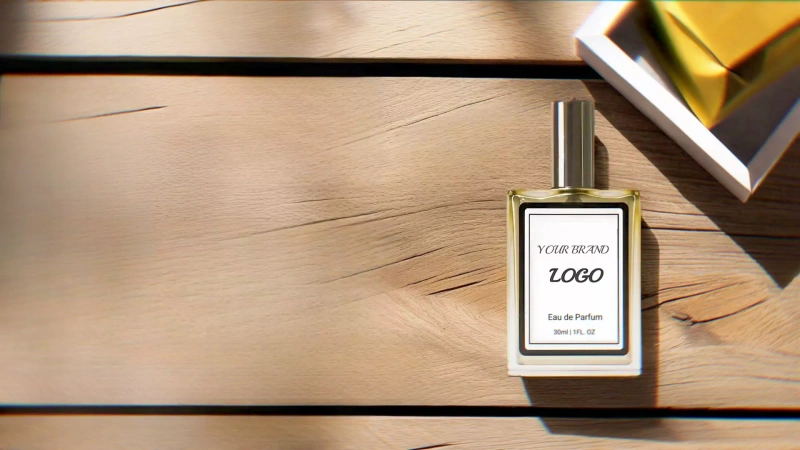
Imagine your ideal customer and consider what draws them to the luxury branding of perfume. Is it the elegance, the story behind the product, or the sense of belonging to an exclusive community? This is where you define your brand aesthetics and values. From the sleek design of your logo to the luxurious feel of your packaging and the consistency of your brand messaging, every detail should resonate with the luxury your product embodies. This isn’t just about looking good; it’s about feeling right to your target audience.
Step 2: Flavor Development
Selecting the Perfect Fragrance
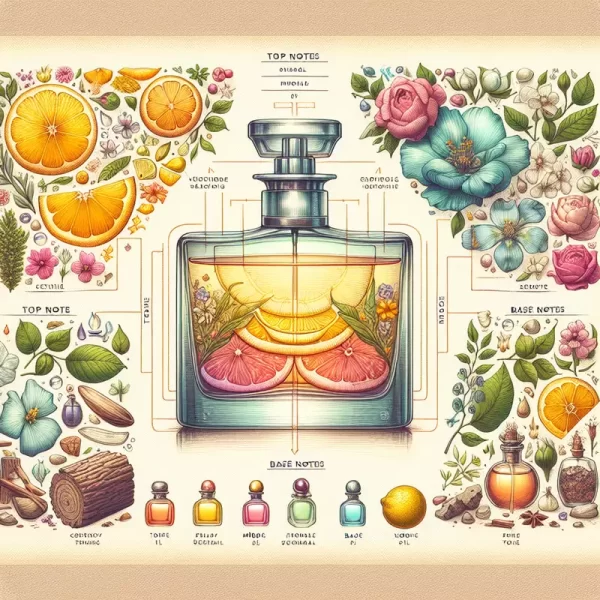
Choosing the right fragrance isn’t just about picking a pleasant scent. It involves a deep dive into what aroma best represents your brand’s spirit and appeals directly to your audience’s olfactory preferences. Collaborating with a master perfumer can help translate your vision into a scent that smells good and tells your brand’s story through every note.
Sourcing High-Quality Ingredients
In today’s market, the conscious consumer smells the fragrance and delves into what goes into it. Opting for high-quality, sustainable ingredients isn’t just good ethics; it’s good business. It adds a layer of luxury and responsibility to your brand, appealing to those who want to indulge in a great scent and support brands that care for the planet.
When transforming these aromatic visions into reality, a partnership with OEM Scentlab could be your next step. Known for our sharp market insights and professional expertise, we offer tailored perfume services that align with your unique brand needs. Whether developing a new bespoke fragrance or refining an existing one, our proficiency ensures that your branding perfume stands out of the market.

Step 3: Production and Quality Assurance
Choosing a Reliable Manufacturer
Finding a manufacturer that understands the importance of your brand’s uniqueness and quality. Opt for a facility that specializes in batch production. This approach not only ensures attention to detail but also maintains the exclusivity of your fragrance. A scale production allows for better control over the full process, ensuring that each bottle holds true to your envisioned aroma, representing the luxury and uniqueness of your brand.
Implementing Quality Control Measures
Quality is not an act; it’s a habit. Set up stringent quality control protocols to ensure that every single bottle that leaves the factory aligns with the luxury standards of your brand. This could involve multiple stages of checks, from sourcing ingredients to the final packaging. Remember, in the luxury market, your customers are paying for an experience; make sure every spritz of your perfume reaffirms their decision to choose your brand.
Step 4: Marketing and Promotion
Building an Online Presence
In today’s digital age, having a great online presence is not just an option—it’s a necessity. Start by creating a sleek, professional website that mirrors the luxury of your brand. Utilize platforms like Instagram, Facebook, and Pinterest to showcase your product and tell your brand’s story. Remember, you’re not just selling a fragrance but building a brand reputation.
Engaging with Influencers
Have you ever noticed how a recommendation from someone you admire can change your perspective? For example, let’s consider a hypothetical collaboration between your luxury fragrance brand and an influencer like Emma Roberts, who aligns perfectly with a luxury perfume line.
Suppose Emma Roberts partners with your brand to launch a new fragrance called “Midnight Bloom.” She shares a series of posts on her Instagram, capturing her preparations for a glamorous evening event, subtly highlighting “Midnight Bloom” as her fragrance choice for the night. Each post includes engaging visuals of the perfume bottle and a narrative on why “Midnight Bloom” is her new favorite scent, emphasizing its unique perfume notes and the luxurious feeling it evokes.
Success Case Study
Take inspiration from established brands like Penhaligon’s. They have mastered the art of blending traditional markets with modern marketing strategies. Their active engagement across various social media platforms ensures they stay connected with their audience, making their heritage-rich stories accessible. Penhaligon consistently enhances its brand visibility and customer engagement by integrating authentic storytelling with strategic digital marketing. Let’s check out the video on what they do for branding perfume and how they achieve success.
Step 5: Setup Legal and Business
Trademark Your Branding Perfume
Imagine you’ve created a fragrance so unique that it captures the essence of a midnight garden or a fresh ocean breeze. Now, picture someone else selling a perfume under your brand name, but with none of the quality or passion you poured into yours. Heartbreaking, right? That’s why trademarking your brand is crucial. It protects your brand name, logo, and even the unique blend of ingredients you’ve developed, ensuring you can capitalize on your brand’s reputation and hard work. Registering a trademark makes it legally enforceable, giving you exclusive rights to use it nationwide and globally.
Compliance and Regulation
Navigating the world of cosmetics and fragrances isn’t just about crafting alluring scents; it’s also about ensuring they’re safe and legal. Compliance with local and international standards is not optional; it’s essential. For instance, in the European Union, Regulation (EC) No 1223/2009 on cosmetic products is the main regulatory framework for finished products, ensuring safety, documentation, and compliance in all member states. Similarly, in the United States, the Food and Drug Administration (FDA) outlines specific guidelines for cosmetics under the Federal Food, Drug, and Cosmetic Act. Adhering to these regulations protects your customers and guards your company against legal challenges and potential fines.
Step 6: Sales and Distribution
Selective Retail Partners
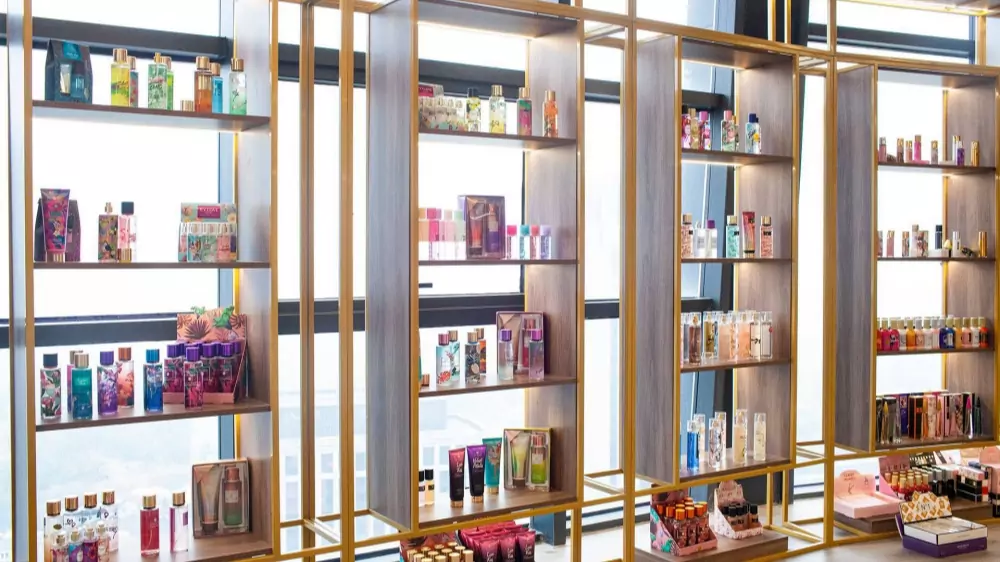
Let’s imagine a scenario like this: your high-end fragrance is placed between luxury skincare and designer jewelry in a boutique that epitomizes chic—this is the power of selective retail partnerships. Choosing high-caliber, reputable retailers that resonate with your brand’s image and cater to your target market is crucial. These partners amplify your brand’s prestige and extend your reach to consumers who value and seek out luxury experiences. This strategy maintains the exclusivity of your product while also placing it directly in the sight of your ideal customers.
E-commerce Strategy
In the digital age, an online presence is essential for any perfume brand, especially in the luxury segment. Setting up an e-commerce platform allows you to reach a broader audience while maintaining that aura of exclusivity. Platforms like Shopify and BigCommerce offer robust solutions for creating beautifully designed online stores that handle everything from inventory management to secure checkout processes. Moreover, they integrate well with upscale online marketplaces that attract discerning shoppers, like Net-a-Porter or Farfetch. This approach not only meets the shopping preferences of modern consumers but also taps into a global market, dramatically increasing your brand’s reach.
Growing Popularity of Fragrance E-Commerce
The perfume e-commerce market has experienced remarkable growth over the past few years, with a significant number of global consumers, approximately 773 million, turning to online platforms to purchase their favorite perfumes and colognes. This digital shift accounts for about a quarter of all fragrance sales, contributing nearly three billion U.S. dollars in revenue. Projections indicate that by 2027, the revenue from fragrance e-commerce is expected to surpass five billion U.S. dollars, highlighting a continuing upward trend in this sector.
Middle-east Perfume center-Saudi Arabia
According to the report, The Saudi Arabian luxury perfume market is characterized by a strong cultural heritage and a preference for luxury, significantly leaning toward traditional scents. Having grown to a valuation of $1.8 billion in 2023 and expected to expand to $2.6 billion by 2032, the sector signifies a lucrative opportunity for investors and entrepreneurs, especially with the shift towards local production.
Step 7: Start Your business now!
Branding and marketing perfume is the first step for your business. As you consider first branding your perfume, choosing a one-stop service supplier is fundamental. This approach simplifies the process, from fragrance formulation to packaging and distribution, allowing you to focus on your brand’s creative and marketing aspects. Read my next article to ensure you clearly know how to start your perfume business…