 English
 French
Introduction to Perfume Making and Brand Identity
In recent years, consumers have shown a growing preference for custom-made and niche perfumes instead of mass-produced brands. According to a report by Grand View Research, the global niche fragrance market is expected to grow with a compound annual growth rate (CAGR) of 8.7% from 2021 to 2028. This surge in interest in unique scents reflects an increased desire for individuality and personalization in perfumes.
When you think about perfume making, it’s not just about mixing different smells. It’s an art that plays a big role in how people see a brand. A signature scent can create strong feelings and memories for customers. This is because our sense of smell is closely tied to our emotions and memories. When you have a personal scent for your brand, it helps customers remember you better.
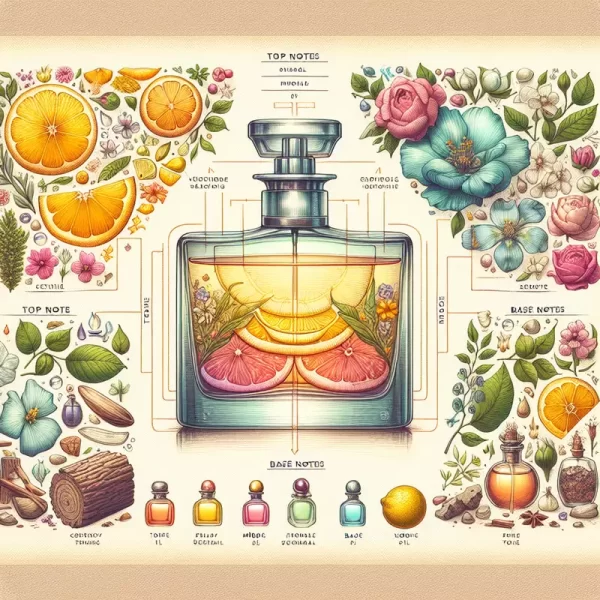
Here are examples of popular ingredients within each fragrance note category. Explore how they interact to create a captivating scent.
Top Notes:
● Lemon: Offers a fresh, zesty opening that can invigorate the senses.
● Bergamot: A citrus fruit is known for blending well with various scents to add a sophisticated touch.
● Peppermint: Cool and refreshing, peppermint introduces a clean, crisp start to the fragrance.
When combined, lemon and bergamot can create a bright, uplifting top notes experience, while peppermint adds a sharp, pure edge. For instance, a lemon and bergamot blend might greet the nose with a vibrant, sunny character, which can be mellowed slightly by the coolness of peppermint, preventing the scent from being overly sweet.
Middle Notes:
● Rose: Considered the “queen of flowers,” rose adds a romantic and floral heart to the perfume.
● Jasmine: Exotic and rich, it gives the perfume a sensual and intoxicating quality.
● Cinnamon: Adds a warm, spicy element that bridges top and base notes.
A blend of rose and jasmine can result in a deeply floral and feminine heart, perfect for a romantic and luxurious fragrance. Cinnamon can introduce a touch of spice that adds complexity and prevents the floral middle notes from becoming too cloying.
Base Notes:
● Musk: Provides a warm, animalistic base that adds depth and sensuality to the fragrance.
● Vanilla: Known for its sweet and cozy aroma, it gives the scent a comforting and inviting quality.
● Sandalwood: A creamy, rich wood scent that adds an exotic and enduring finish to the fragrance.
Musk and vanilla create a warm and comforting base, enveloping the wearer in a sense of familiarity and well-being. Sandalwood can then layer over these scents to add sophistication and a woody depth, ensuring the longevity of the fragrance on the skin.
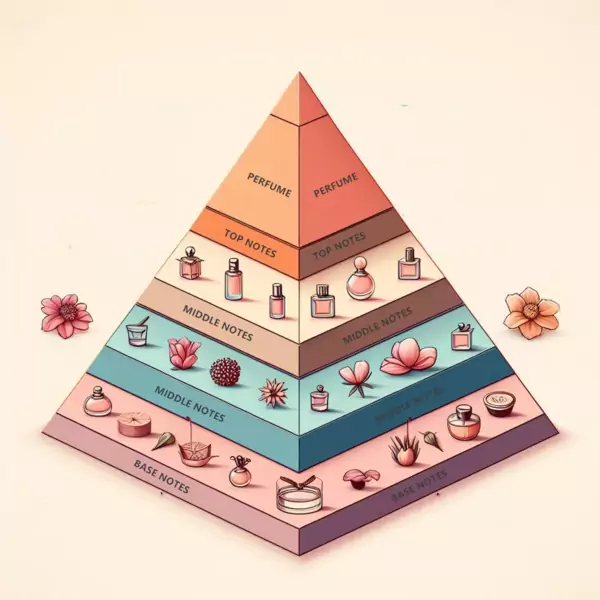
The interplay between these ingredients across the top, middle, and base notes forms the full olfactory journey of a perfume-making process. A well-crafted fragrance will seamlessly transition between the notes, each complementing and enhancing the other to create a harmonious and memorable personal scent.
Selecting Quality Ingredients
When creating a custom fragrance, the selection of ingredients is paramount. High-quality essential oils and synthetic components are the building blocks of a premium scent. Here are the criteria to consider:
● Purity: Essential oils should be 100% pure, without additives or diluents.
● Source: Knowing where and how ingredients are grown or produced.
● Extraction Method: Preference for steam distillation or cold pressing over chemical extraction.
● Grade: Aromatherapy-grade essential oils are often of higher quality.
● Sustainability: Ensuring that ingredients are renewable and harvested responsibly.
At OEM Scent Lab, we take sustainability and ethical practices seriously. We prioritize ingredients from suppliers who share our values of environmental stewardship and ethical labor practices. We understand that the quality of our products is directly linked to the quality of our ingredients, which is why we ensure that every component we use meets our stringent standards for purity and sustainability.
The Blending Process: Techniques and Tips
Blending scents is both an art and a science, requiring creativity and precision. Here’s a basic guide to the process:
● Gathering Equipment: You will need glass beakers, pipettes or droppers, fragrance blotters, and a clean workspace.
● Measuring: Use precise measurements to ensure consistency; this could mean drops or weighed amounts in grams.
● Sequence: Start by adding base notes, followed by middle notes, and top notes last.
● Mixing: Blend the oils by gently swirling the beaker; avoid shaking as it can introduce air bubbles.

Here are some tips for achieving a balanced and harmonious scent:
● Ratios: Use the right ratio of top, middle, and base notes; a common starting point is 30% top notes, 50% middle notes, and 20% base notes.
● Test Strips: Use fragrance blotters to test your scent as you blend; allow the fragrance to develop for a few minutes before smelling.
● Resting: Allow your blend to “rest” for a few days. This lets the scents meld together, changing and deepening over time.
Remember, creating the perfect blend often requires trial and error. Patience and experimentation are key. If you’re struggling to achieve the desired result, don’t be afraid to seek professional guidance. At OEM Scent Lab, we have experienced perfumers who can guide you through the process to ensure that your fragrance meets your brand’s high standards and delights your customers.
Technical Aspects: From Laboratory to Bottle
Creating a stable and safe perfume requires careful attention to the technical details. Here are the considerations:
● Stability: Ensure the perfume formula is stable and will not separate or deteriorate over time.
● Safety: Use ingredients safe for skin contact and do not cause allergic reactions.
The role of alcohol, emulsifiers, and preservatives in perfume-making is crucial:
● Alcohol acts as a solvent for dissolving and blending oils and helps to protect the fragrance from the skin.
● Emulsifiers ensure that oils and water-based ingredients mix thoroughly and remain blended.
● Preservatives are sometimes necessary to prevent microbial growth and extend the shelf life of the perfume.
The process of maturation and maceration is essential for developing a fragrance’s full body:
● Maturation refers to the period after the fragrance blend is created, when it is left to age. This allows the different components to fuse and the scent to become more rounded and complex.
● Maceration involves letting the blend sit, sometimes for several weeks, which can deepen and enrich the fragrance.

Packaging and Presentation: Making an Impression
The way a perfume is presented can be just as important as the scent itself:
● Design: Packaging design should reflect the brand’s image and appeal to the target audience.
● Materials: Choose materials that protect the perfume and are consistent with the brand’s values, like glass or eco-friendly options.
Bottle and packaging options convey much about the product:
● Classic Bottles: Suggest tradition and elegance.
● Modern Designs: This can indicate a trendy and youthful brand.
● Artisanal Containers: Implies uniqueness and personal touch.
Quality Control: Ensuring Consistency in DIY Fragrances
Maintaining a high-quality standard is essential for brand trust and customer satisfaction. Quality control processes include:
● Batch Testing: Checking each batch of perfume for consistency in scent, color, and performance.
● Record-Keeping: Maintaining detailed records of formulations and production methods for repeatability and traceability.
OEM Scent Lab’s quality control standards are rigorous, and we believe these practices should be implemented at every production scale to ensure a consistently high-quality product. Whether you’re a large retailer or a small DIY producer, these standards will help maintain the integrity of your fragrances.
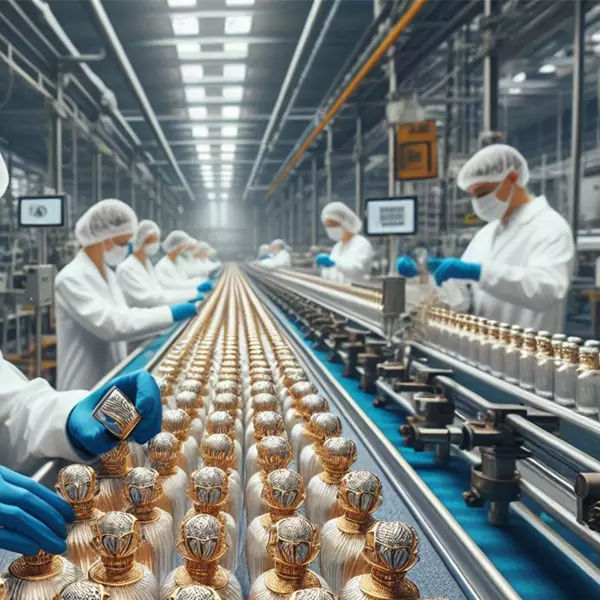
Brand Development and Perfume
A unique fragrance can play a pivotal role in developing a brand identity. It can encapsulate the brand’s essence, making it recognizable and memorable. Here’s how scent can be integral to brand development:
● Signature Scent: Developing a signature fragrance that aligns with the brand’s values and aesthetics can set a company apart from its competitors.
● Emotional Connection: Scent is closely linked to memory and emotion. A distinctive perfume can foster a deeper emotional bond with customers.
● Brand Storytelling: A fragrance can tell a story about the brand, conveying its history, inspirations, and aspirations.
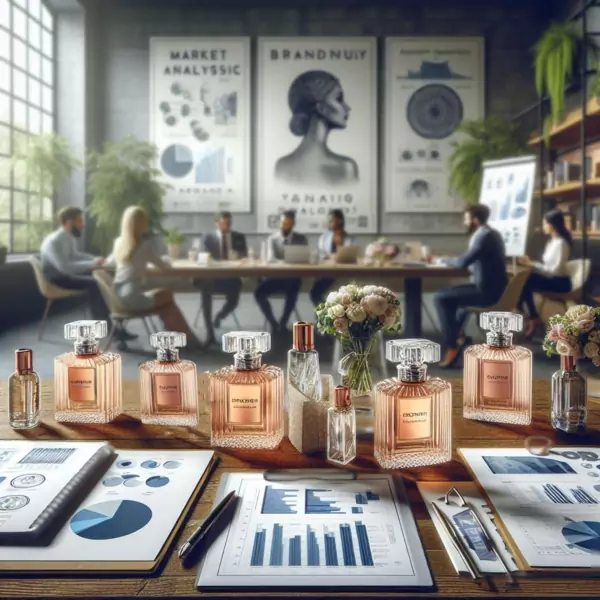
Strategies for using scent as a marketing tool include:
● Consistent Scent Branding: Use the fragrance across all products and in physical locations to create a cohesive brand experience.
● Limited Edition Releases: Offer special edition perfumes to create excitement and exclusivity around the brand.
● Scented Marketing Materials: Incorporate the brand’s scent into marketing materials like brochures, packaging, or store environments.
Custom fragrances can create a memorable brand experience by:
● Personalization: Offering customers the opportunity to create their custom blend can foster loyalty and a personal connection to the brand.
● Gifting: Custom fragrances make unique gifts that can leave a lasting impression on the recipient.
● Events: Using the brand’s signature scent at events can create a multisensory experience that guests will associate with the brand long after the event.
Distribution and Warehousing for Small Scale Producers
As DIY perfume producers begin to scale up, managing inventory and distribution becomes increasingly important. Here’s some advice on how to handle these new challenges:
● Inventory Management: Keep accurate records of what you have in stock using inventory management software or reliable tracking systems.
● Efficient Storage: Organize your storage space efficiently, ensuring products are easily accessible and properly categorized.
Warehousing and shelf-life considerations can present unique challenges:
● Temperature Control: Store perfumes in a cool, dark place to preserve their quality.
● Rotation: Use the FIFO (First In, First Out) method to ensure older stock is sold before newer stock, keeping products fresh.
Tips to leverage OEM Scent Lab’s experience in distribution and warehousing:
● Consultation: Reach out for guidance on best storage and inventory management practices.
● Partnership: Consider partnering with OEM Scent Lab for distribution and warehousing solutions tailored to your growth stage.
● Drop-Shipping: Explore drop-shipping options, where OEM Scent Lab can handle fulfillment directly to your customers.
By implementing these strategies, small-scale producers can more effectively manage the transition to larger-scale operations while maintaining the quality and integrity of their products.
In the End
And there you have it, the art and strategy behind creating a unique perfume that captivates the senses and embodies your brand’s essence. But why stop here? Your fragrance journey is just beginning; there’s much more to explore.
Are you curious about the latest trends in the perfume industry? Maybe you’re considering how to harness the power of scents in your marketing efforts. Or perhaps you’re searching for the secret behind the world’s most iconic fragrances? Our platform is brimming with insightful articles that dive deeper into these topics and beyond. Take a moment to browse through our collection of expertly crafted content or contact us directly for more information.